
Starting feels good.
There’s energy in it.
A sense of movement.
A feeling that something is finally happening.
But that part doesn’t last.
What comes after is quieter.
Less exciting.
And a lot harder to notice when it starts slipping.
You don’t usually decide to stop.
You miss a day.
Then another.
And before you really think about it,
you’re no longer doing the thing you meant to keep doing.

Most people think the problem is motivation.
It isn’t.
Motivation comes and goes.
That’s normal.
The real problem is what happens
when it disappears.
Because that’s when everything slows down.
That’s when continuing starts to feel heavier than stopping.
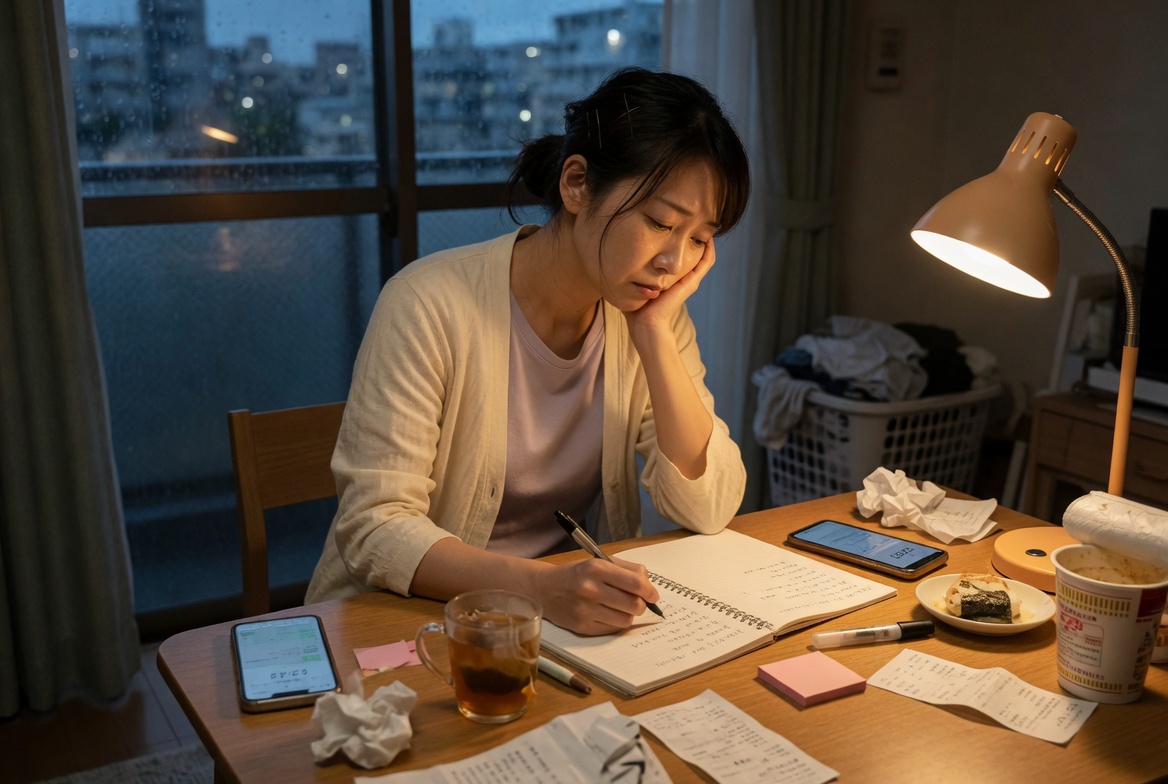
Staying on track isn’t about pushing harder.
It’s about having something in place
that keeps you moving
even when you don’t feel like it.
Something small.
Something simple.
Something that doesn’t rely on how you feel that day.
Because most progress
doesn’t come from strong days.
It comes from the ones
where you almost stopped.

Starting gets attention.
But staying on track
is what changes things.